
Compressed service windows during Ramadan increase risks related to heat, oil, knives, and cross‑contamination, especially for fasting teams. A structured safety approach helps kitchens stay fast, calm, and in control.
1. Build Your Target and Vision
Define what your restaurant will look like during Ramadan. Review past performance, analyze competitors, and conduct tasting and innovation sessions with your executive chef. Develop a unique edge to stand out in the highly competitive Ramadan dining scene.
2. Brief All Stakeholders
Once your vision is clear, align everyone. Share the new menu with your chef, reflect it in cost control and purchasing plans, coordinate with marketing for promotions, and train waiting staff on upselling key dishes. Synchronization across kitchen, service, and communication is critical.
3. Train Your Staff
Ramadan is high-pressure: everyone arrives at the same time, and mistakes can cost you the month. Prepare your team with simulation days for Iftar and Suhoor before Ramadan begins. Identify weak points and fix them early. If simulations aren’t possible, use the first few low-traffic days as a learning curve.
4. Optimize Production
Consider simplifying your menu for Ramadan. A set Iftar menu helps streamline purchases and kitchen focus. Prepare meals early, store them in hot cabinets, and serve them fresh at the right time. For large bookings or full houses, an open buffet is the most cost-effective solution for Iftar and Suhoor.
5. Think About the Experience
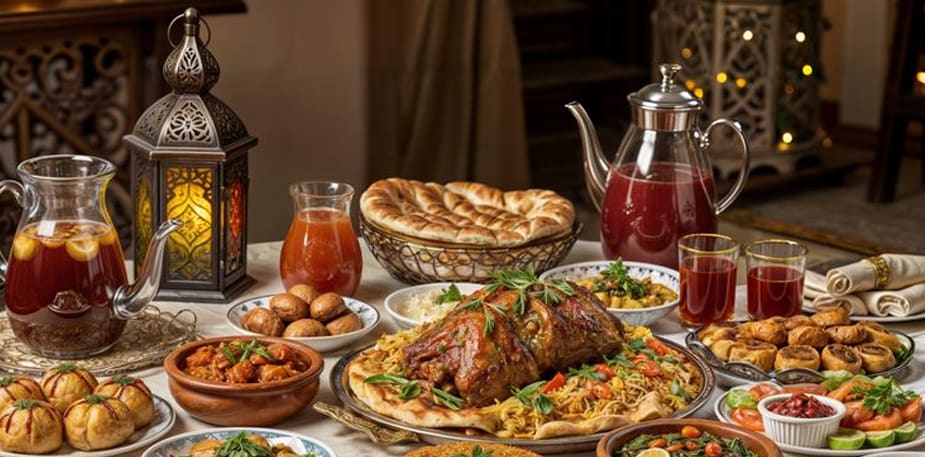
Food is just the start. Ramadan dining is about atmosphere. Add Ramadan-themed décor and lighting, from table cards to hanging welcome notes. Swap your usual playlist for oriental, nostalgic tunes to create an authentic vibe. Every detail matters in making guests feel the spirit of Ramadan.
Ramadan success depends on early planning, team alignment, operational efficiency, and creating a memorable experience. Start now to ensure your restaurant shines during the holy month.


