

Creating a warm and respectful Ramadan dining experience requires thoughtful planning across ambience, service, and guest care. From the moment a diner enters to the final dessert, each touchpoint should reflect the spirit of the month.
A. Pre‑Arrival and Queue Management
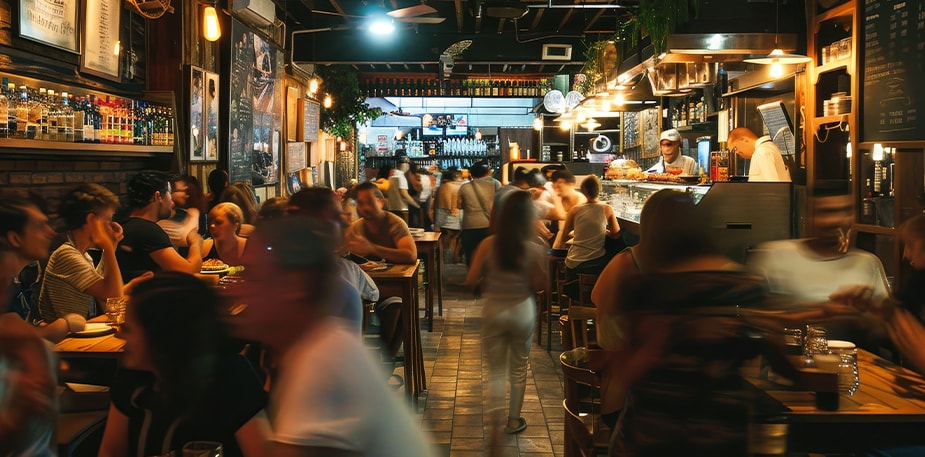
A well‑organized pre‑arrival experience sets the tone for the entire evening. Clearly communicated Iftar seating times—such as 6:15pm or 7:30pm—help manage expectations and prevent overcrowding. Offering dates and water at the entrance about 15 minutes before the Adhan is a small but meaningful gesture that immediately aligns your hospitality with Ramadan traditions. Ensuring that a prayer area is easy to locate, complete with prayer mats and access to ablution facilities, further demonstrates thoughtfulness and respect toward fasting guests.
B. Tabletop and Ambience

During Ramadan, atmosphere matters just as much as the food. Opt for warm lighting between 2700–3000K or candle‑style LED accents to create a calm and inviting space without making it too dim. Background audio should be gentle—low‑tempo instrumentals or nasheed—and kept at or below 65 dB to maintain serenity as guests break their fast. Décor should be tasteful and restrained: subtle crescent or star motifs paired with fresh greenery add seasonal charm without overwhelming the dining room.
C. A Menu Structure That Flows Naturally
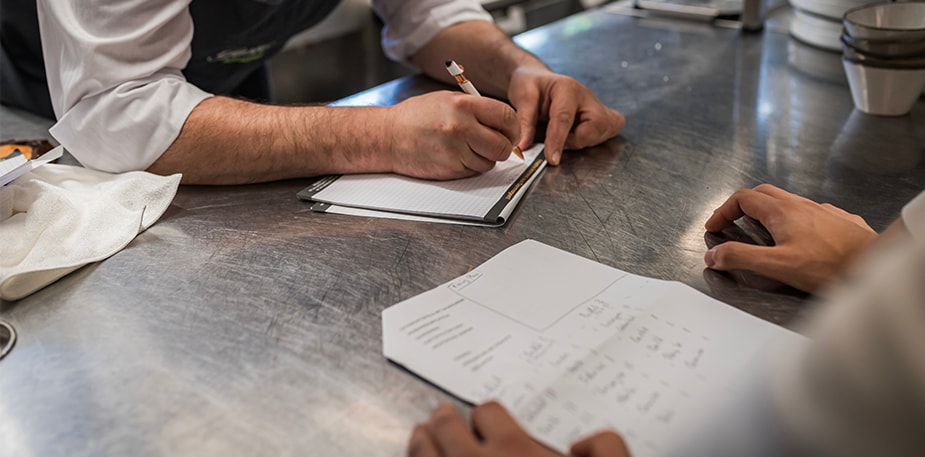
A successful Ramadan menu follows the natural rhythm of Iftar. Begin with a simple opener—one date, infused water, and a small savory bite—to ease guests into their meal. Build the full set around a light starter, a hearty main, shareable side dishes, and a refreshing beverage. To reduce waste and prevent overordering, offer half portions of heavier, popular items. Clearly marked fasting and allergy indicators on the menu also help diners choose comfortably and quickly during a time-sensitive meal.
D. Thoughtful Service Choreography

The Iftar service window is short, so a well‑timed sequence creates a polished experience. Ensure water and dates are already placed on the table before the Adhan. Serve the starter at the moment the fast opens, pour beverages right after, and dispatch the main course around ten minutes later. Allow guests a quiet grace period during the first five minutes after Adhan—avoid upselling or interrupting during this moment of prayer and reflection. Encouraging family‑style sharing not only speeds up service but also mirrors the communal spirit of Ramadan.
E. Delivery and Takeaway Experience
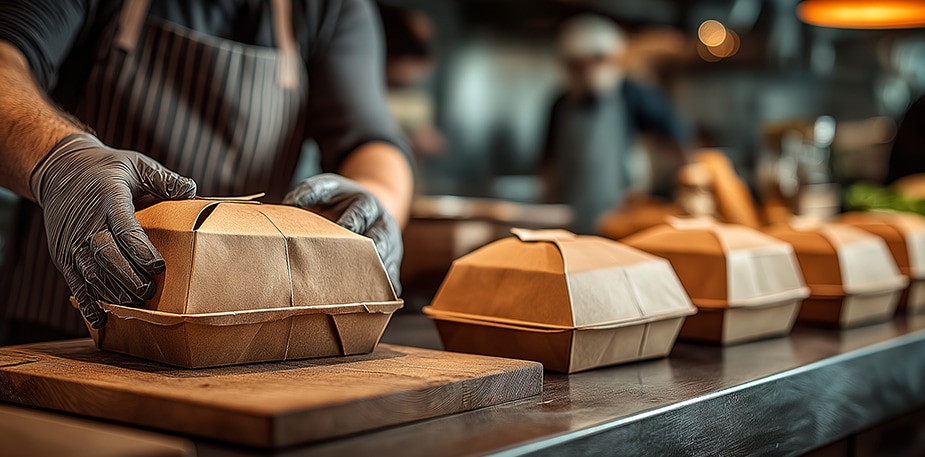
For diners observing Iftar at home, maintaining quality is essential. Introduce timed pickup slots—every ten minutes, for example—to prevent crowding and ensure smooth operations. Use insulated packaging with vented lids to keep fried items crisp and maintain food temperature. Adding a thoughtful touch, such as a printed dua card, reheating instructions, or a complimentary sweet, enhances the overall experience and leaves a lasting impression.
F. Accessibility and Care for All Guests

Ramadan dining should feel inclusive. Provide elderly‑friendly seating options and keep pathways wide for easy movement. Offer activity packs, such as coloring sheets and crayons, for children to stay engaged while waiting for Iftar. Finally, consider adding a community‑focused gesture, such as offering “pay‑it‑forward” Iftar meals for those in need. It reinforces goodwill and aligns your restaurant with the spirit of generosity that defines the month.


