
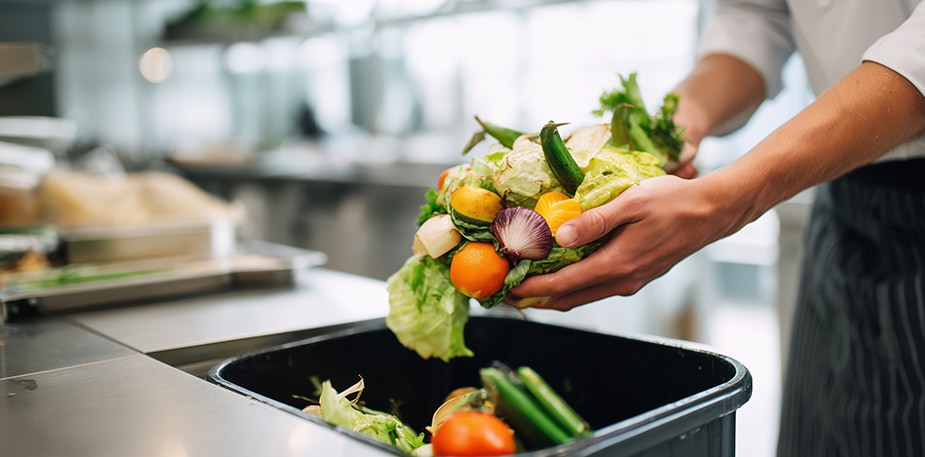
Even though most restaurants already understand their usual footfall and consumption patterns, Ramadan can disrupt predictable routines. Iftar menus, special deals, and fluctuating customer traffic often create challenges in planning, forecasting, and waste control. To manage food waste effectively, it’s essential to reassess peak days, monitor which Iftar dishes perform best, and evaluate where adjustments are needed as the month progresses.
1. Anticipate Ramadan Traffic
You likely already have a solid understanding of your typical daily diners—but during Ramadan, consider planning for at least 15% more guests. As you observe trends throughout the month, refine your prep quantities to match actual Iftar turnout.
2. Opt for Controlled Menu Formats
The simplest way to reduce ingredient and buffet waste is to avoid large Iftar buffets. Instead, offer set Iftar menus or curated combos where guests choose between two or three mains, such as Balochi Steam Tikka or Chunky & Spicy Prawn Rice. This helps control portions and reduces leftover dishes.
3. Repurpose Ingredients Creatively
Make the most of any leftover raw ingredients by turning them into value‑added specials or side items. For example, unused vegetables can become pakoras, crispy fritters, or part of a daily Iftar snack.
4. Train Staff for Ingredient Flexibility
Ramadan evenings can be hectic. If suppliers miss a delivery, ensure your team is trained to use available ingredients to create quick, appealing substitute dishes, keeping operations smooth and waste minimal.
5. Create Staff Meals or Community Plates
If you have small quantities of ingredients that can’t build a full customer dish but are still usable, turn them into Iftar meals for your staff. This boosts morale and ensures nothing goes to waste.
And when supplies allow, consider preparing meals for communities around your restaurant, a meaningful way to give back during Ramadan.


